
The Ultimate Guide to Protein
Timing, Type, and Muscle Growth
If you've spent any time in a gym locker room, you've probably heard someone insist you need to down a shake within 15 minutes of your last rep or lose all your gains. That's the so-called "anabolic window" — and it's largely a myth. Research now shows your body stays receptive to muscle-building nutrition for hours after training, not minutes.
Protein powder isn't magic in a tub — it's a convenient tool for hitting a daily target that's genuinely hard to reach through food alone, especially for people training seriously or managing a busy schedule. Getting the timing and type right won't replace consistent training, but it can meaningfully sharpen your results. Here's what actually matters.
The Post-Workout Priority
At varius vel pharetra vel turpis
The real window for post-workout protein is closer to two hours, not 15 minutes. Muscle protein synthesis stays elevated well beyond your cooldown, so there's no need to sprint to the shaker bottle mid-set.
The one exception: if you train fasted — say, before breakfast — your body has gone longer without amino acids to work with, so getting protein in promptly after you finish becomes more important.
Total Daily Intake vs. Precision Timing
Here's the part most people overlook: hitting your total daily protein target matters far more than nailing the exact minute you drink your shake. Timing is the fine-tuning; total intake is the foundation.
Within that total, spreading protein evenly across meals — rather than front- or back-loading it — appears to support muscle maintenance and growth better than one or two oversized doses.
The Overnight Recovery Strategy
Your body keeps repairing muscle tissue while you sleep, which is where a slow-digesting protein like casein earns its place. A dose before bed can supply a steady trickle of amino acids overnight, supporting recovery during the long stretch between dinner and breakfast.
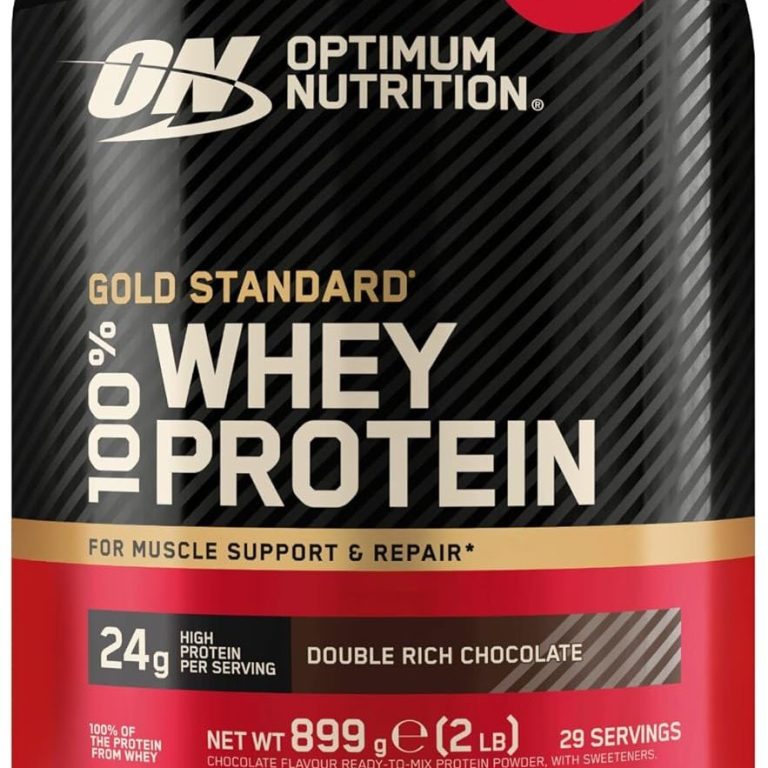
Whey: The Gold Standard
Whey is the benchmark for a reason: it's a complete protein containing all nine essential amino acids, digests quickly, and is rich in leucine — the amino acid most directly responsible for triggering muscle protein synthesis. That combination makes it the go-to choice for right after a workout.
Within whey, there are two main forms worth knowing:
- Whey concentrate — slightly less processed, with a bit more lactose and fat; usually cheaper.
- Whey isolate — more heavily filtered, higher protein per scoop, lower lactose; a better fit if you're sensitive to dairy sugars.
Casein: The "Slow Burn" Protein
Casein digests far more slowly than whey because it forms a gel-like substance in the stomach, releasing amino acids gradually over several hours. That makes it a poor choice for immediate post-workout refueling but a strong one for bedtime or any stretch where you'll go a long time without eating — a long flight, a busy workday, an overnight fast.
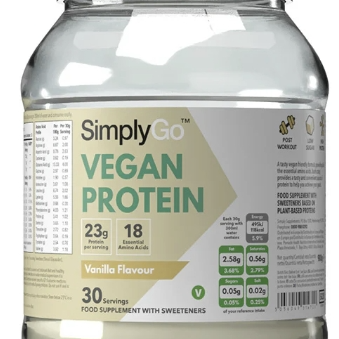
Plant-Based Power: Soy, Pea, and Rice
For vegan or dairy-free lifters, soy protein stands out as one of the few plant sources that's a complete protein on its own. Other plant proteins, like pea or rice, are often missing or low in certain amino acids individually — which is why many products blend pea and rice together to cover each other's gaps and deliver a fuller amino acid profile. These blends also tend to be a safer bet for anyone managing dairy or soy allergies.
How Much Do You Actually Need?
The "Per-Serving" Target
A post-workout dose of roughly 20–25 grams appears to be the sweet spot for maximizing muscle protein synthesis in a single sitting — going well beyond that doesn't seem to add much extra benefit.
Sedentary / light activity
~0.36 g per lb bodyweight
Regular strength training
~0.7–1.0 g per lb bodyweight
Intense training / cutting phase
~1.0–1.2 g per lb bodyweight
Protein powder is there to close the gap between what you get from meals and what your target requires — not to replace whole-food protein sources like meat, eggs, dairy, or legumes.
Choosing a Supplement (What to Look for on the Label)
Not all tubs on the shelf are created equal. Before buying, check for:
Third-party testing
certifications like NSF Certified for Sport or Informed Choice confirm the product's contents match the label and screen for banned substances.
Amino spiking
some cheaper products pad their protein numbers with free-form amino acids (like glycine or taurine) that inflate the total on the label without delivering the same muscle-building value as real protein.
Sugar and fillers
flavored powders can carry surprising amounts of added sugar or thickeners; scan the ingredient list, not just the protein count, if you're watching overall calories.
Our Conclusion
Consistency beats precision here. Hitting your daily protein target day after day will do far more for muscle growth than obsessing over a 30-minute window. As a general rule of thumb: reach for whey when speed matters most (right after training), casein when you need a slow release (before bed or long gaps between meals), and plant-based blends when dietary restrictions call for it. Get those three things right, and the type of shaker bottle you use won't matter nearly as much as people think.
The Legal versions!!!
Like you, we're serious about bodybuilding, increasing performance in the gym and seeing actual solid gains that stick.
We realise that many turn to illegal drugs including anabolic steroids in search of their ideal physique, but this comes at a cost. They're illegal for a reason and can cause serious temporary and permanent side effects to your health and should be avoided. The risk factors include: erectile dysfunction, gynecomastia (man boobs), liver and kidney failure, heart attacks, acne, hair loss and growth in females, negative cholesterol panel and low testosterone.
So what about all the performance benefits but no side effects? Yes, that's what Muscle Research does. We provide legal and natural food supplement products that will help you reach your goals faster and whilst not compromising your health!
Start using Muscle Research and trust us with your gains.