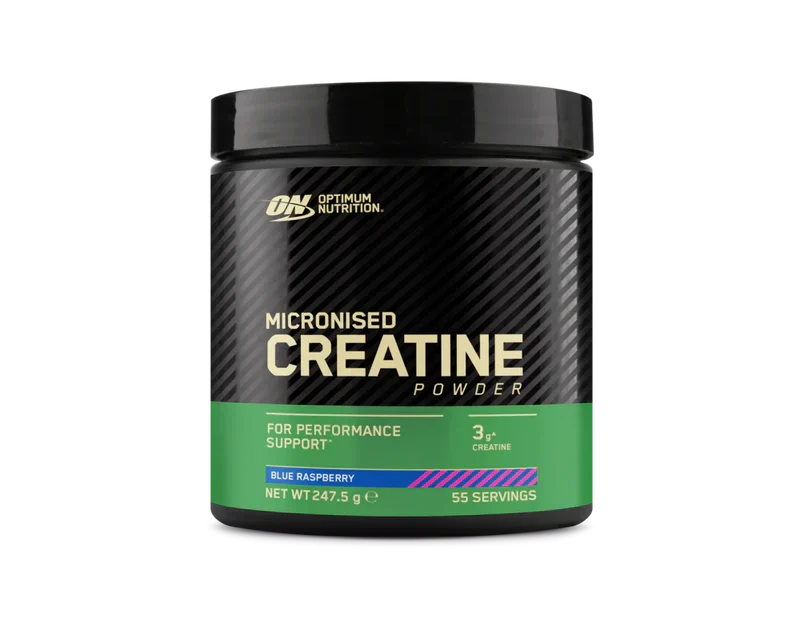
Creatine in Your 40s:
Confessions of a Home Gym Bloke Who Finally Did the Research
Let me set the scene. It's 6am, I'm standing in my garage gym (read: a rubber-matted corner next to the lawnmower), staring at a tub of creatine I bought three months ago and have been too lazy/skeptical to actually use. The dog is judging me. My knees are making a noise I don't remember them making at 29.
So I did what any reasonable middle-aged man does instead of just taking the supplement: I went down a research rabbit hole. Here's everything I found, minus the bro-science and the guy on the forum who insists it'll make your hair fall out.
First, what even is this stuff?
Creatine helps your muscles rapidly recharge ATP — basically the fuel for short, explosive efforts. Think the last brutal rep, the sprint up the driveway because you forgot to bring the bins in, that sort of thing.
It's also one of the most researched sports supplements on the planet, which is reassuring when you're a man whose other supplement strategy is "more coffee."
Why it actually matters once you hit 40
Here's the slightly depressing bit: somewhere after 40, your body starts quietly skimming muscle, strength, and power off the top — like a sneaky tax — unless you fight back. Creatine is one of the legal, evidence-backed ways to push back.
What it can do for us garage-gym veterans:
Boost strength and gym performance, especially on lifts and explosive stuff
Help you keep (or build) muscle when paired with actual resistance training — sorry, it's not a "sprinkle it on toast and grow" situation
The honest downsides (because I promised no bro-science)
It's not magic, and it's not side-effect-free for everyone:
Water retention — expect the scale to jump a couple of pounds. That's water inside the muscle, not a sudden dessert relapse.
Stomach grumbles — bloating or the occasional emergency, mostly when people take big doses
Not for every goal — brilliant for short, intense efforts; less of a game-changer for pure endurance
Lab plot twist — it can slightly raise blood creatine, which can look alarming on a blood test without actually meaning kidney trouble (tell your doctor you take it)
Improve recovery between sets, so your workout feels less like a slow-motion negotiation with gravity
Support healthy aging, because holding onto muscle and strength now pays off massively for mobility, metabolism, and bones later
Possibly help your brain in some situations (sleep-deprived, older, or low-meat diets) — though the gym benefits are far more solid than the "limitless pill" claims
Basically: it helps you stay the bloke who carries all the shopping bags in one trip, not the one who makes two careful journeys.
"Is it different for men and women?" (My wife asked... Fair question.)
The mechanism is identical. Creatine works the same energy system regardless of sex, and everyone can benefit. The differences are mostly in goals and optics:
Women often skip it but benefit just as much, particularly for strength and keeping lean muscle
Men tend to see bigger absolute size changes — partly because we usually start with more muscle and train differently
Some women worry about "bulking" or bloating — creatine pulls a little water into the muscle cells, so the scale nudges up, but that's not fat
Around perimenopause and menopause, creatine pairs really well with resistance training and decent protein for muscle and strength
So it's not a "men's thing" or a "women's thing." It's a goals thing.
Myth-busting corner
A few classics that refuse to die:
"It wrecks your kidneys." In healthy adults at normal doses, the evidence says no. But if you have kidney disease, a history of kidney issues, or take meds affecting kidney function — check with a clinician first. Non-negotiabl.
"It makes your hair fall out." The evidence here is weak and not conclusive. My hairline has its own long-term plans regardless of supplements.
"It dehydrates you / causes cramps." Research hasn't consistently backed this up in healthy users.
Who should pump the brakes
Creatine's safe for most of us, but be cautious (or get medical advice first) if you:
Have kidney disease
Are pregnant or breastfeeding
Are an adolescent without proper guidance
Take medications that affect kidney function.
How to actually use it (the bit I overcomplicated for no reason)
Turns out it's gloriously simple:
Form: Creatine monohydrate — the cheap, boring, well-studied one. Ignore the fancy expensive versions.
Dose: 3–5 g per day
Loading phase: Optional. If you're impatient: 20 g/day split into 4 doses for 5–7 days, then drop to 3–5 g. Works faster, but more likely to upset your stomach.
Timing: Barely matters.
Taking it every day is what counts — not whether you slam it pre-workout while flexing in the mirror.
The bottom line from one 40-something to another
If you're a home-gym enthusiast doing strength, power, or high-intensity work, creatine monohydrate is one of the rare supplements that's both genuinely effective and low-risk. The trade-off is mostly a bit of water weight and the occasional grumbly stomach — not doom.
The real question isn't your age or your sex. It's what you're chasing: muscle, strength, gym performance, healthy aging, or just being the dad who can still deadlift bodyweight without filing an injury report.
As for me? I finally opened the tub. The dog remains unimpressed, but my last set felt a little less tragic. I'll take it.
Usual disclaimer from a man whose qualifications are "owns a barbell and reads a lot": I'm not a doctor. If you've got medical conditions or take medication, check with an actual professional before adding anything new.
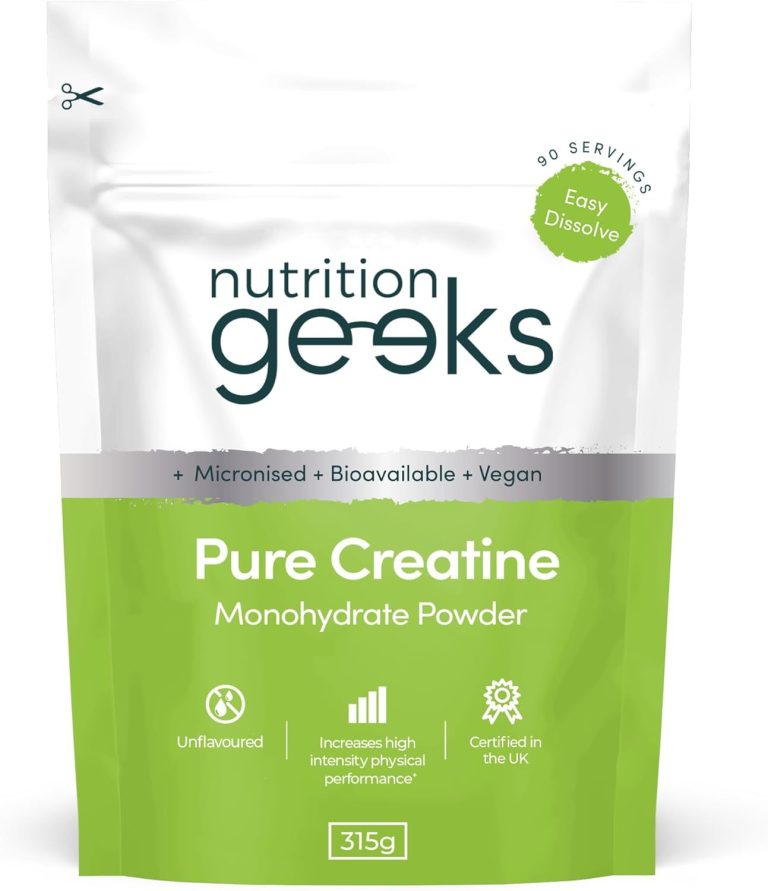
Micronised Creatine Powder
Highly Rated for Quality, Taste and Performance
- The UK's #1 Creatine Powder*
- Improves performance & muscle power during high intensity training
- Made from 100% creatine monohydrate
- 3g of creatine monohydrate per serving
- Mixes easily with no gritty taste or texture
- Available in flavoured and unflavoured options